What factors determine the playability of a piano?(Final)
Mr. Huscher
Accurate Mechanical RegulationAfter touch: After the key reaches the let-off point, there must be a small amount of additional key dip (after touch margin). This is essential for the jack to disengage smoothly and for the back checks to correctly catch the returning hammer. After touch is the integrated result of all adjustments to the keyboard and action, serving as the final verification of all the most critical parameters.
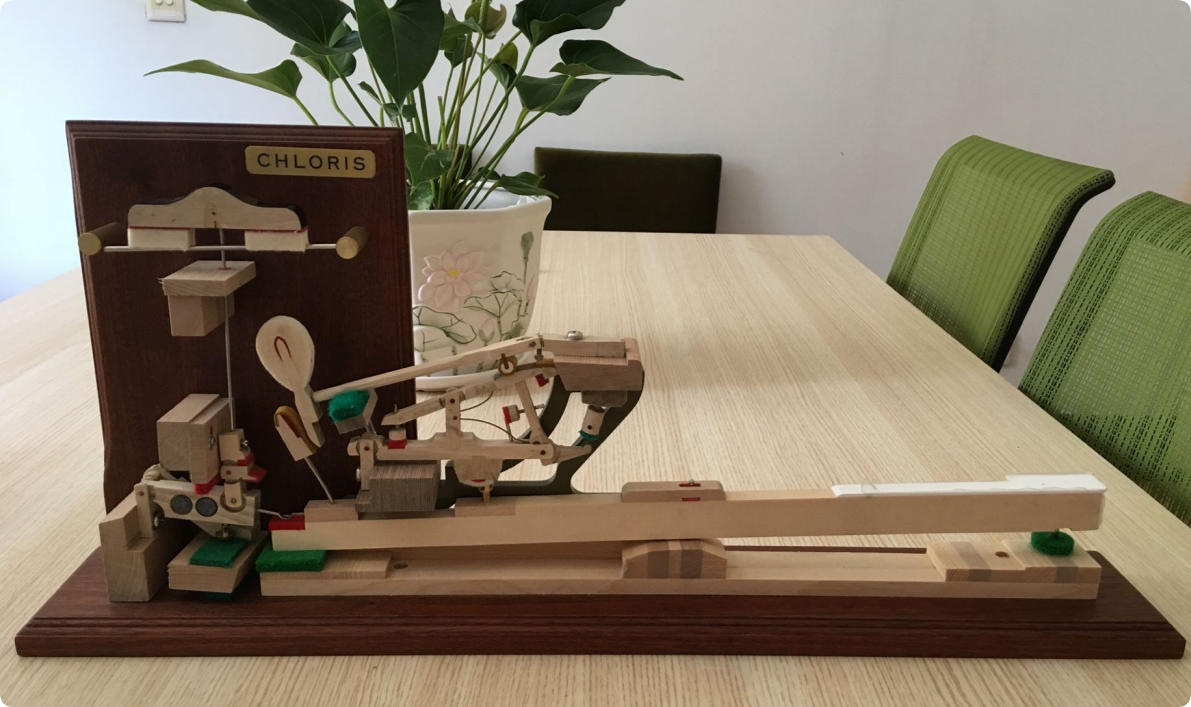
Friction control: The friction of all moving parts in the action (such as bushings and felt washers) must be kept to a minimum. High friction increases the resistance during dynamic key presses, making it difficult to control pianissimo playing.
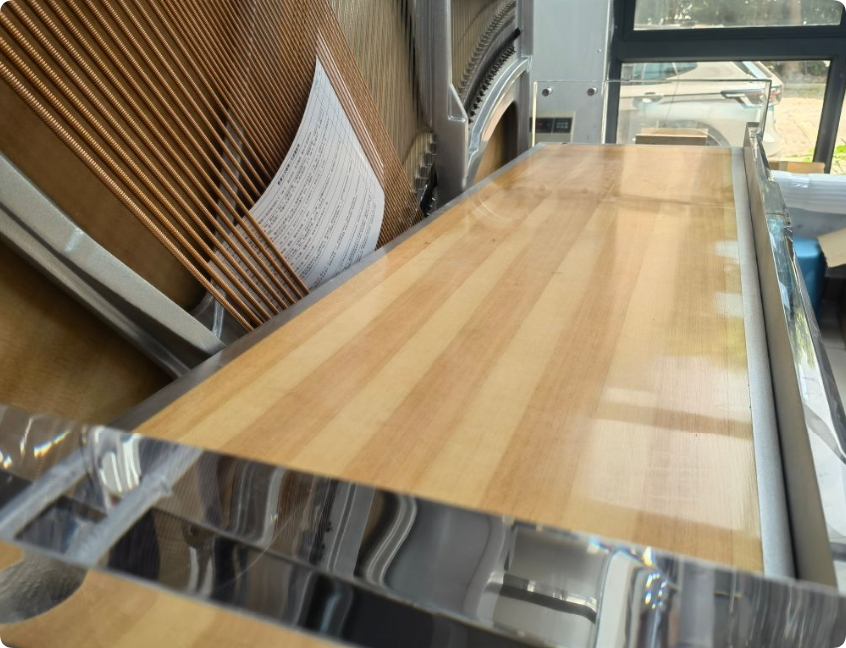
Structural stability: The keybed supporting the keyboard must be perfectly flat. If the middle of the keybed warps or sinks, it will cause the balance rail in that area to drop, directly resulting in a shallower key dip and ruining the uniformity of the touch.
The "Psychological Illusion" of Tone and Acoustic Feedback
Interestingly, the play ability of a piano is not purely a mechanical issue; it is also strongly influenced by acoustic feedback. A piano that is voiced to be brilliant and produces a fast attack will subjectively feel very "light" to the touch.
Conversely, if a piano is voiced too softly (muffled) or placed in a highly absorbent room with thick carpets and heavy curtains, the player must exert more force to achieve sufficient volume. This creates the illusion that the touch is abnormally heavy.
Keyboard Ergonomics (Geometry)
Traditional straight keyboards require the player to make unnatural forward leans and arm stretches when playing the extreme high and low registers.
In contrast, a concave radial (curved) keyboard arrangement places all keys at an equal distance from the player, accommodating the natural circular lateral movement of the forearms. This design not only makes the white keys narrower (at the front) and the gaps between black keys wider, but also keeps the hands at a right angle to the keys in all registers, thereby significantly reducing the difficulty of playing complex techniques such as cross-overs, arpeggios, and octave leaps.
[End]





chloris
Mail:info@chlorispiano.com
Tel:86-18121133783
www.chlorispiano.com
技术支持:网新科技(www.ibw.cn) 沪IPC 备14053625号