The Tuning Aesthetics and Practice in Bach's Keyboard Works
Sep. 9th , Mr. Huscher
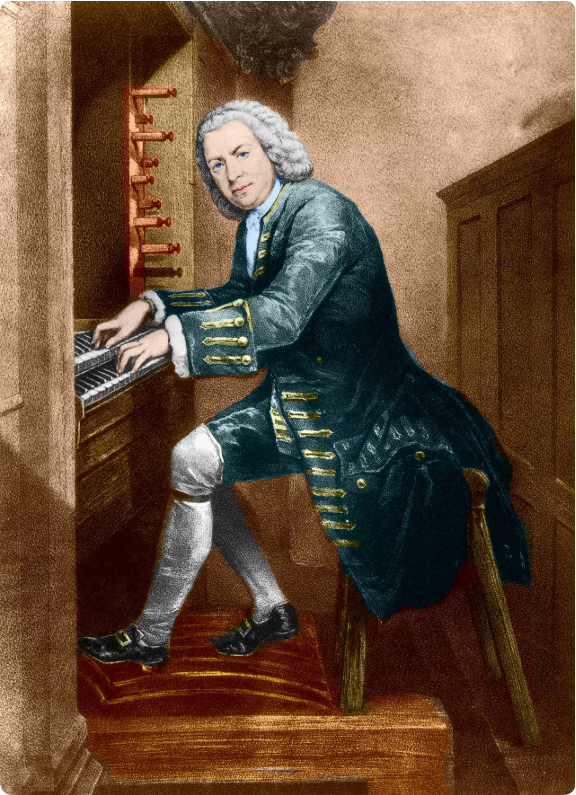
In Bach's era, "Wohltemperierung" (well temperament) is not equivalent to the modern 12-tone equal temperament (German: gleichschwebende Temperatur). Historical literature studies show that Bach's The Well-Tempered Clavier (Wohltemperiertes Clavier) was actually composed for unequal "good temperaments", such as the Kirnberger or Werckmeister tuning systems. Even Bach's direct student Kirnberger — whose name also refers to a prominent tuning system of that era — strongly opposed 12-tone equal temperament, arguing that it violated the natural laws of music.
In terms of performance practice and musical expression, the use of equal temperament differs fundamentally from the tuning systems prevalent in Bach's day (such as meantone temperament and various unequal good temperaments):
Preservation versus Elimination of Key Characteristics (Charakteristik der Tonarten)
The core aesthetic foundation of the tuning systems then in use was to bestow upon each key a distinctly different character and colour. In systems such as Kirnberger's, the intervals were not equally spaced across all keys. For instance, commonly used keys like C major possessed exceptionally pure and serene triads, while remote keys with more accidentals (such as D major or E major) exhibited a "rough agreeableness" (German: rauhe Annehmlichkeit) or sharp tension, employed to convey particular affects. If performed in equal temperament, this diversity of key colours would be entirely flattened and erased. In equal temperament, transposition is merely a shift in pitch; but under the tuning systems of the time, transposing a piece from C major to D major would qualitatively alter its harmonic tension and emotional expression. The uniformity of equal temperament would strip the music of its "inherent" means of expression.
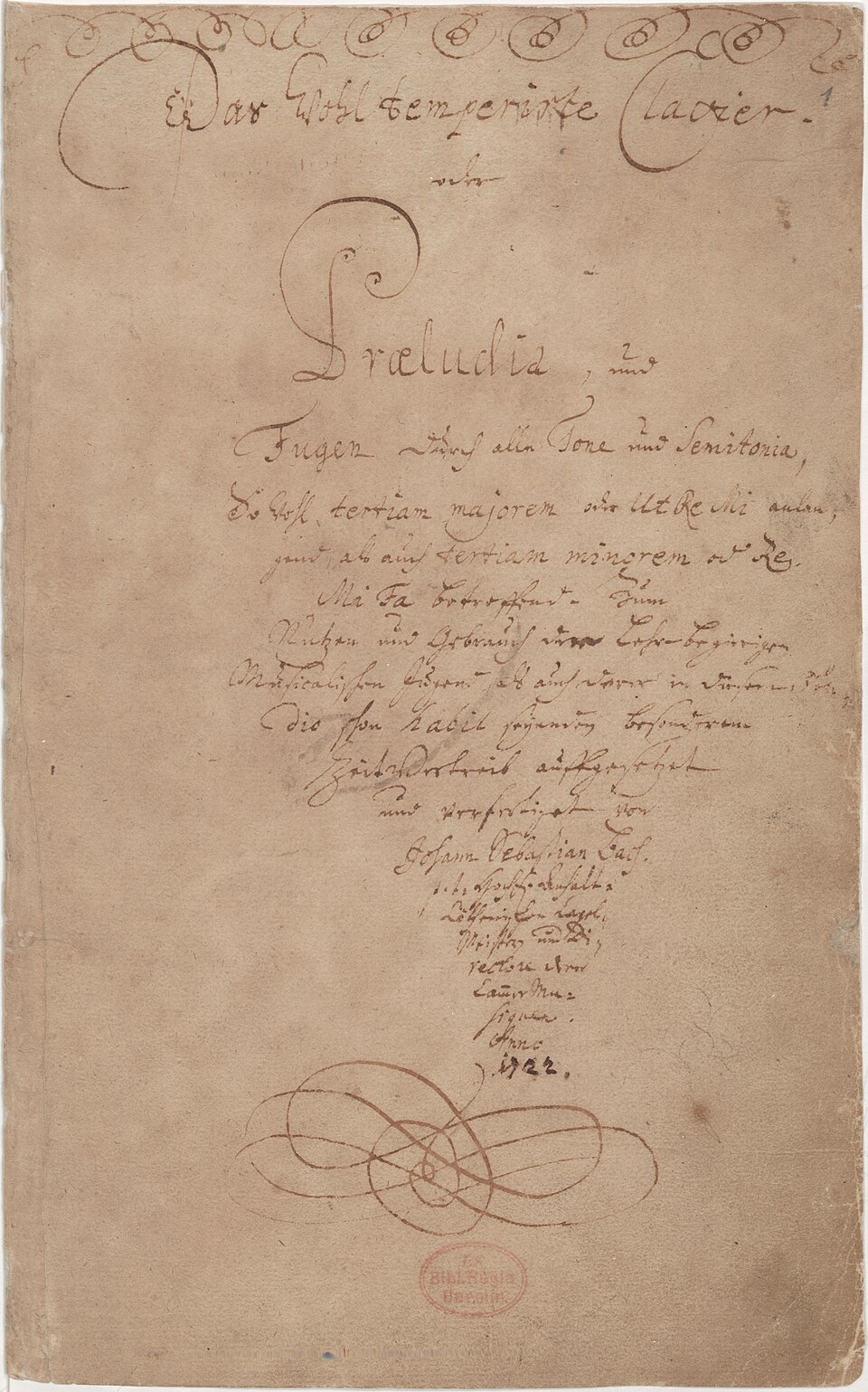
Dramatic Differences in Chromaticism and Harmonic Tension
Bach often exploited chromaticism and dissonant intervals to express extreme emotion or theological concepts. In the tunings of his time, the introduction of non-diatonic semitones generated powerful physical tension. Taking Bach's organ chorale Durch Adams Fall as an example, unequal temperaments can render its chromatic tension and emotional content with striking three-dimensionality; if the work were performed on an instrument tuned in equal temperament, it would be "completely ruined," with its originally expressive chromaticism reduced to something banal and meaningless.
Clarity of Polyphonic Voices and Sonic Vitality
The physicist Helmholtz (the German physicist who authored works on musical acoustics) sharply pointed out that in equal temperament, because more than two-thirds of the intervals (especially thirds) are impure, the resulting combination tones become muddy, causing polyphonic music to sound "indeterminate, dull, lacking in character, and devoid of energy" (German: unbestimmt, langweilig, charakter- und energielos). Conversely, under the unequal temperaments prevalent at the time (which contained a large number of pure intervals), the resonance of consonant chords would be exceptionally brilliant, not only perfectly supporting Bach's complex polyphonic voice-leading but also offering performers clearer feedback and guidance in touch, agogic nuances, and articulation.
Acoustic and Mechanical Constraints of Historical Performance Environments
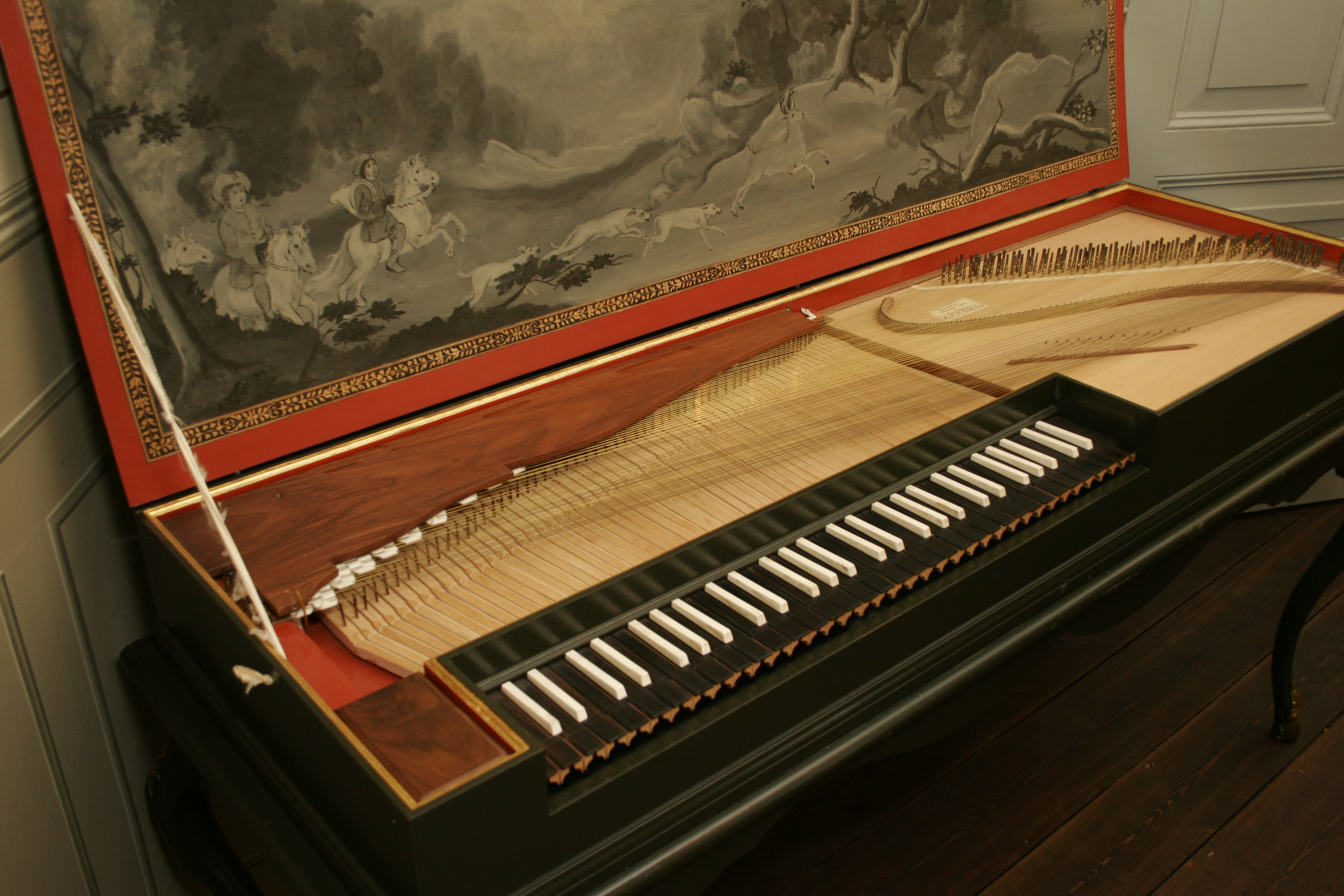
In the performance practice of that era, true equal temperament was difficult to realize and was generally not adopted. Bach was intimately connected throughout his life with meantone temperament and its extended variants; early on, he was deeply influenced by Buxtehude's meantone-tuned organs. During his Leipzig period, Bach's church music was likewise accompanied by organs tuned in meantone temperament. Moreover, the widely used "gebundenes Clavichord" (fretted clavichord) of Bach's time was mechanically designed—for instance, in the fixed positions of the tangents—on the basis of meantone temperament or specific unequal ratios. To forcibly impose equal temperament on these historical instruments would not only contradict the composer's auditory expectations but would also be mechanically impractical. This is why, in the piano performance programmes of many conservatories today, dual-instrument instruction on both the modern piano and the harpsichord is commonly adopted, meeting the need for historically informed performance of music from different periods.





Mail:info@chlorispiano.com
Tel:86-18121133783
www.chlorispiano.com
技术支持:网新科技(www.ibw.cn) 沪IPC 备14053625号